

Quality is one of the most important considerations in the pharmaceutical industry. Every medicine reaches patients through a chain of manufacturers, distributors, healthcare professionals, and pharmacies, making consistent production standards essential.
When businesses look for a WHO GMP Certified Pharma Company, they are often seeking reassurance that medicines are manufactured under internationally recognized quality practices designed to promote consistency, safety, and regulatory compliance.
What Does WHO GMP Mean?
Good Manufacturing Practices (GMP) are guidelines that help pharmaceutical manufacturers maintain quality throughout the production process.
These standards focus on areas such as:
- Manufacturing procedures
- Hygiene practices
- Documentation
- Equipment maintenance
- Quality testing
- Storage conditions
- Process validation
Following these practices helps reduce the likelihood of manufacturing errors and product inconsistencies.
Why Manufacturing Standards Matter
Medicines require precision at every production stage.
Even small deviations can affect:
- Product stability
- Dosage accuracy
- Shelf life
- Patient safety
- Product consistency
Strong quality systems help manufacturers maintain uniformity across different production batches.
How Quality Control Supports Better Products
Quality control extends far beyond testing the finished medicine.
Manufacturers typically monitor:
- Raw material quality
- Production processes
- Environmental conditions
- Packaging materials
- Finished product testing
Continuous monitoring helps identify potential issues before products reach the market.
Benefits for Franchise Partners
Distributors and franchise businesses also benefit from working with manufacturers that maintain recognized quality systems.
Advantages may include:
- Greater confidence when presenting products
- Improved customer satisfaction
- Stronger professional credibility
- Reduced product-related concerns
- Better long-term business relationships
Quality often becomes a competitive advantage in pharmaceutical marketing.
Importance for Healthcare Professionals
Doctors and healthcare providers expect medicines to meet consistent quality standards.
Reliable manufacturing contributes to confidence in:
- Product consistency
- Packaging accuracy
- Reliable availability
- Professional reputation
While prescribing decisions depend on multiple clinical factors, dependable manufacturing remains an important part of the pharmaceutical supply chain.
Questions to Ask Before Choosing a Manufacturer
Before entering into a franchise or third-party manufacturing partnership, consider asking:
- What manufacturing certifications does the company maintain?
- How is quality monitored during production?
- How frequently are facilities inspected?
- What documentation accompanies products?
- How are batch records maintained?
- What systems are used for quality assurance?
These questions help businesses understand the manufacturer's commitment to quality.
The Role of Documentation
Documentation is often overlooked but forms an essential part of pharmaceutical manufacturing.
Accurate records support:
- Product traceability
- Batch verification
- Regulatory compliance
- Quality investigations
- Inventory management
Proper documentation reflects disciplined manufacturing practices.
Growing Pharmaceutical Manufacturing in Chandigarh
Chandigarh has emerged as a significant business location for pharmaceutical companies due to its proximity to major manufacturing clusters in North India. Businesses across Punjab, Haryana, Himachal Pradesh, and neighboring regions frequently collaborate with manufacturers in and around the city for franchise opportunities and contract manufacturing requirements.
The region's pharmaceutical ecosystem supports distributors seeking dependable manufacturing partners with established quality systems.
Choosing a Quality-Focused Manufacturing Partner
Businesses evaluating pharmaceutical manufacturers often compare factors beyond certifications alone.
Other important considerations include:
- Product portfolio
- Manufacturing capacity
- Technical expertise
- Regulatory compliance
- Customer support
- Supply consistency
A balanced evaluation provides a more complete understanding of the manufacturer's capabilities.
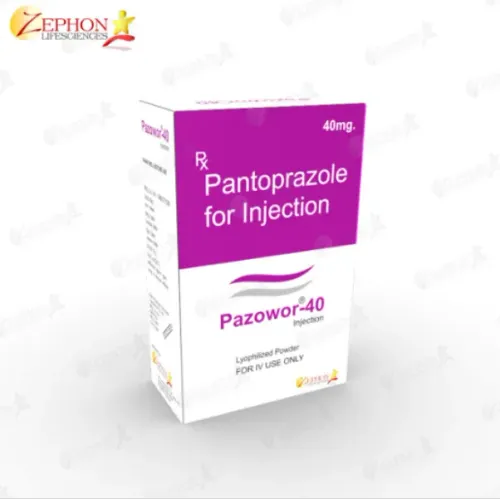
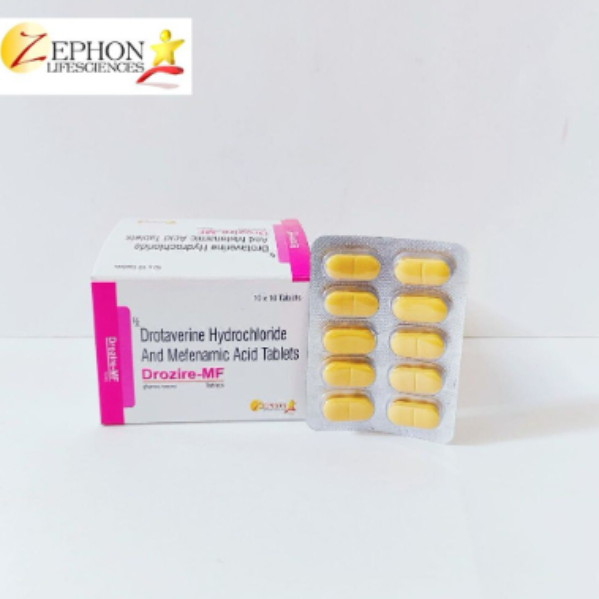
For example, companies such as Zephon Life Sciences are commonly assessed by distributors and business partners based on their manufacturing practices, product range, and commitment to maintaining quality standards. Reviewing these aspects alongside certifications can help businesses make informed partnership decisions.
Choosing a WHO GMP Certified Pharma Company is ultimately about reducing uncertainty and promoting consistent product quality. For pharmaceutical distributors, healthcare businesses, and franchise partners, investing time in evaluating manufacturing standards is an important step toward building reliable and sustainable business relationships.